

Team Fortress 2 Merchandise: The History
The Story Behind TF2 Merch
Released in 2007, Team Fortress 2 quickly evolved into more than a multiplayer shooter. Its exaggerated characters, bold color palette, and instantly recognizable silhouettes gave Valve a rare opportunity to translate a game’s visual identity directly into physical products. By 2009–2010, official TF2 merchandise began appearing through the Valve Store, often timed precisely with major updates such as Sniper vs. Spy, WAR!, and later class-focused expansions.
Rather than functioning as generic branded apparel, TF2 merch felt like an extension of the game’s universe. Each item referenced characters, jokes, or lore that players immediately recognized, creating a strong emotional connection between the product and the community.
What Defined Official TF2 Merchandise
The most desirable TF2 merchandise comes from Valve’s in-house production era, before external licensing became more common. This period is now considered the foundation of TF2’s collectible status. Key characteristics included:
- Short, update-specific production runs
- Designs tied directly to in-game moments
- Consistent graphic language aligned with TF2’s art style
- Higher-quality blanks and durable prints
Beyond apparel, Valve experimented with scarves, props, figures, and novelty items, many of which included in-game codes or promotional inserts. This integration of physical and digital rewards made TF2 merch uniquely interactive for its time.
Key Collaborations And Collectibles
As Team Fortress 2 expanded beyond the Valve Store, Valve partnered with established collectible studios including NECA, 3A, Gaming Heads, and Weta Workshop to produce premium, limited-run items. These collaborations focused on accuracy, material quality, and faithful translation of in-game assets into physical form.
NECA released a full series of articulated TF2 action figures, including the Scout, Soldier, Heavy, and Spy, each packaged with signature weapons and accessories. Early production runs are especially sought after due to their short availability windows.
3A produced high-end collectible figures such as the Team Fortress 2 Heavy 1/6 Scale Figure, featuring real fabric clothing, detailed facial sculpts, and metal components. These pieces were positioned closer to designer toys than traditional gaming merchandise.
Gaming Heads focused on large-scale display collectibles, most notably the TF2 Heavy and Engineer Polystone Statues, designed for long-term display rather than play. Their size and sculpt quality place them among the most premium TF2 collectibles ever released.
Weta Workshop contributed limited-edition TF2 statues and prop-style collectibles, applying film-industry production standards to the game’s exaggerated visual language. These releases were produced in very small numbers and are now considered archive-level pieces.
Together, these collaborations elevated Team Fortress 2 merchandise beyond standard gaming apparel, placing select items firmly within the collectible and designer object space.
Item Spotlight: TF2 Archive Highlights
Team Fortress 2 Spy 2009 Tee
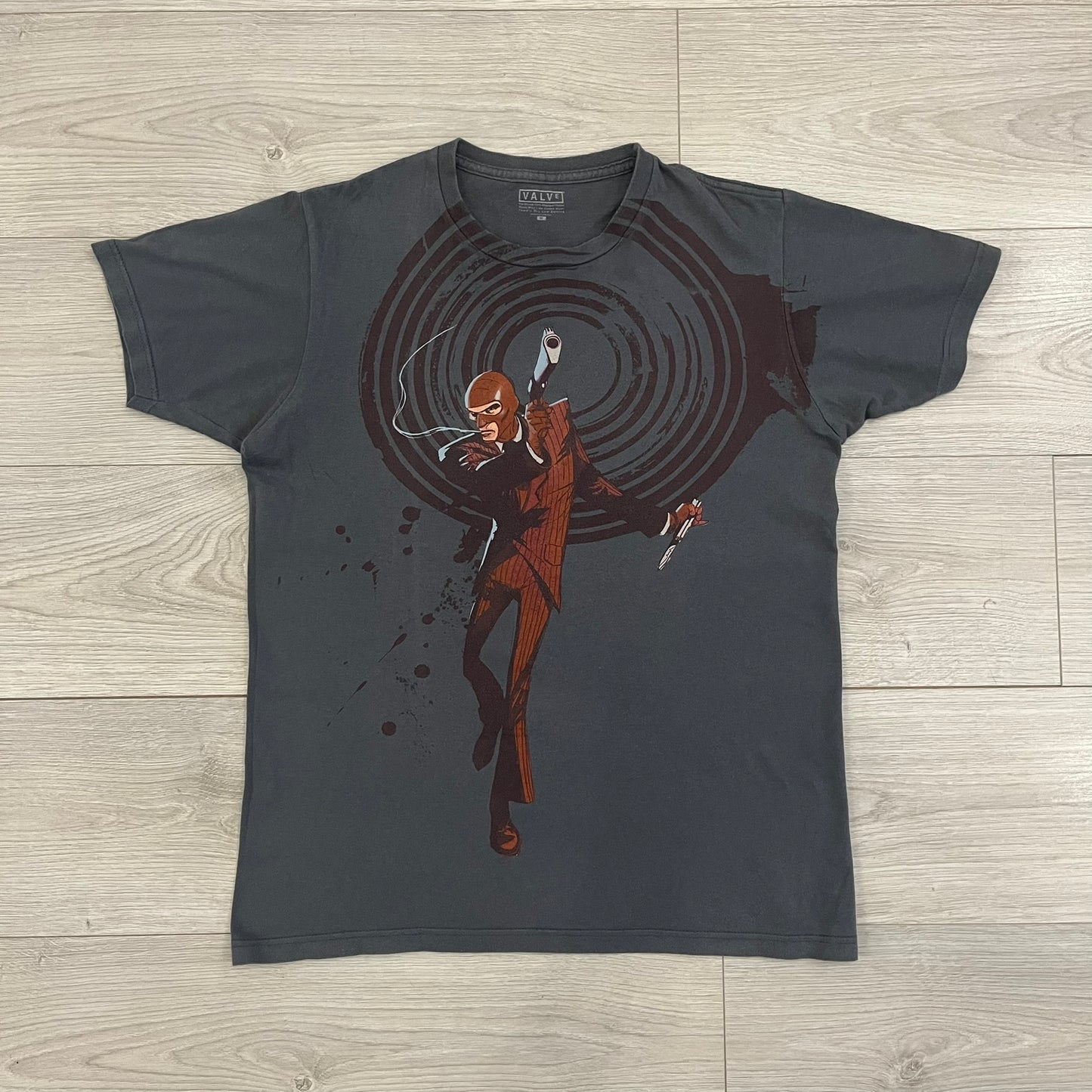
The Team Fortress 2 Spy 2009 Tee is an official Valve shirt from the Sniper vs. Spy update, produced during Valve’s in-house merch era before they switched to a different shirt company. This charcoal tee features a red Spy character holding a butterfly knife and gun, set against a dark red target graphic with dripping effects.
Team Fortress 2 Sandvich 2010 Tee
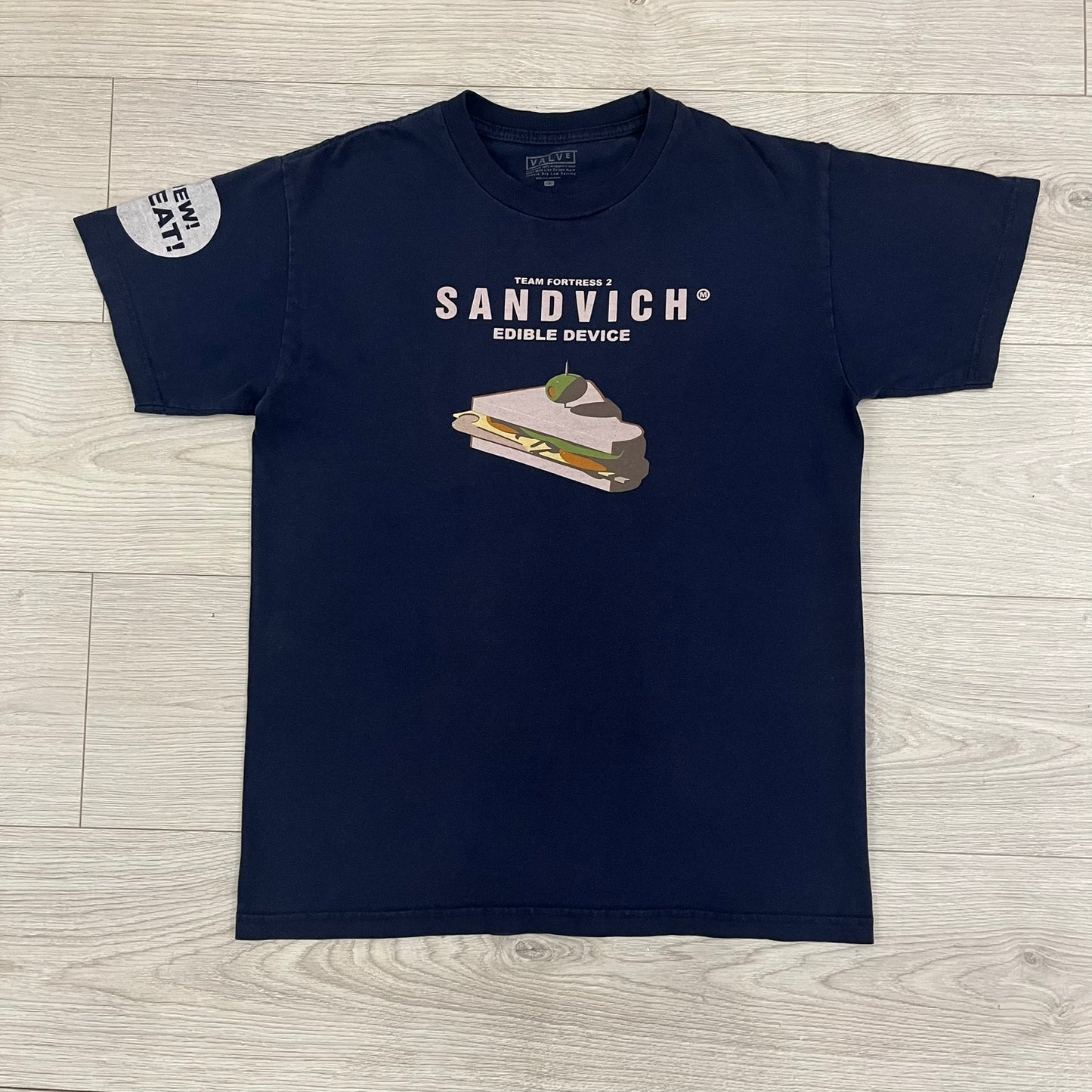
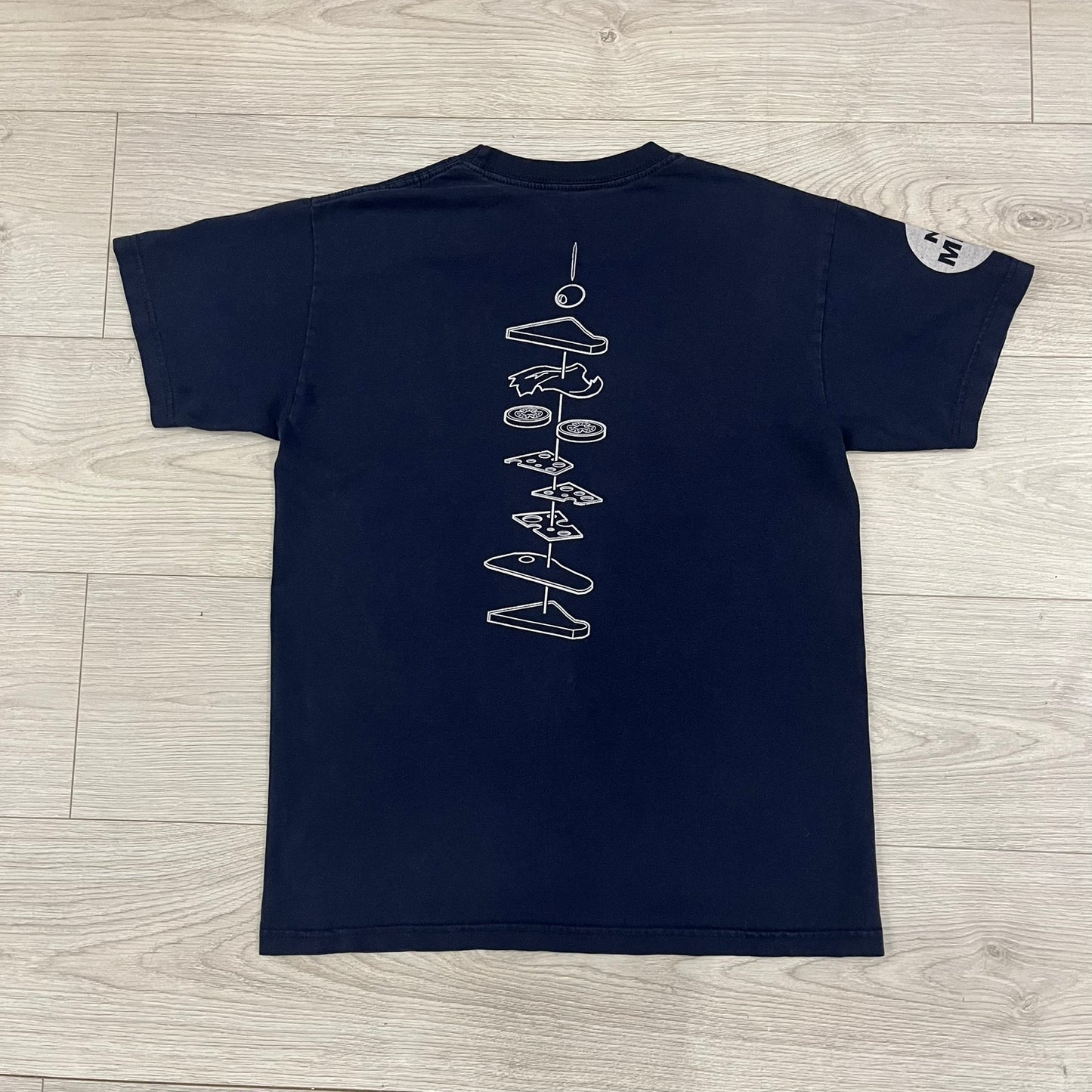
Released in December 2010 and produced during Valve’s in-house merch era. This Navy tee features a Sandvich Edible Device (Heavy secondary weapon) on the front, Sandvich blueprint graphic on the back and 'New Meat!' on the sleeve.
Team Fortress 2 Heavy 2014 Bandolier Scarf
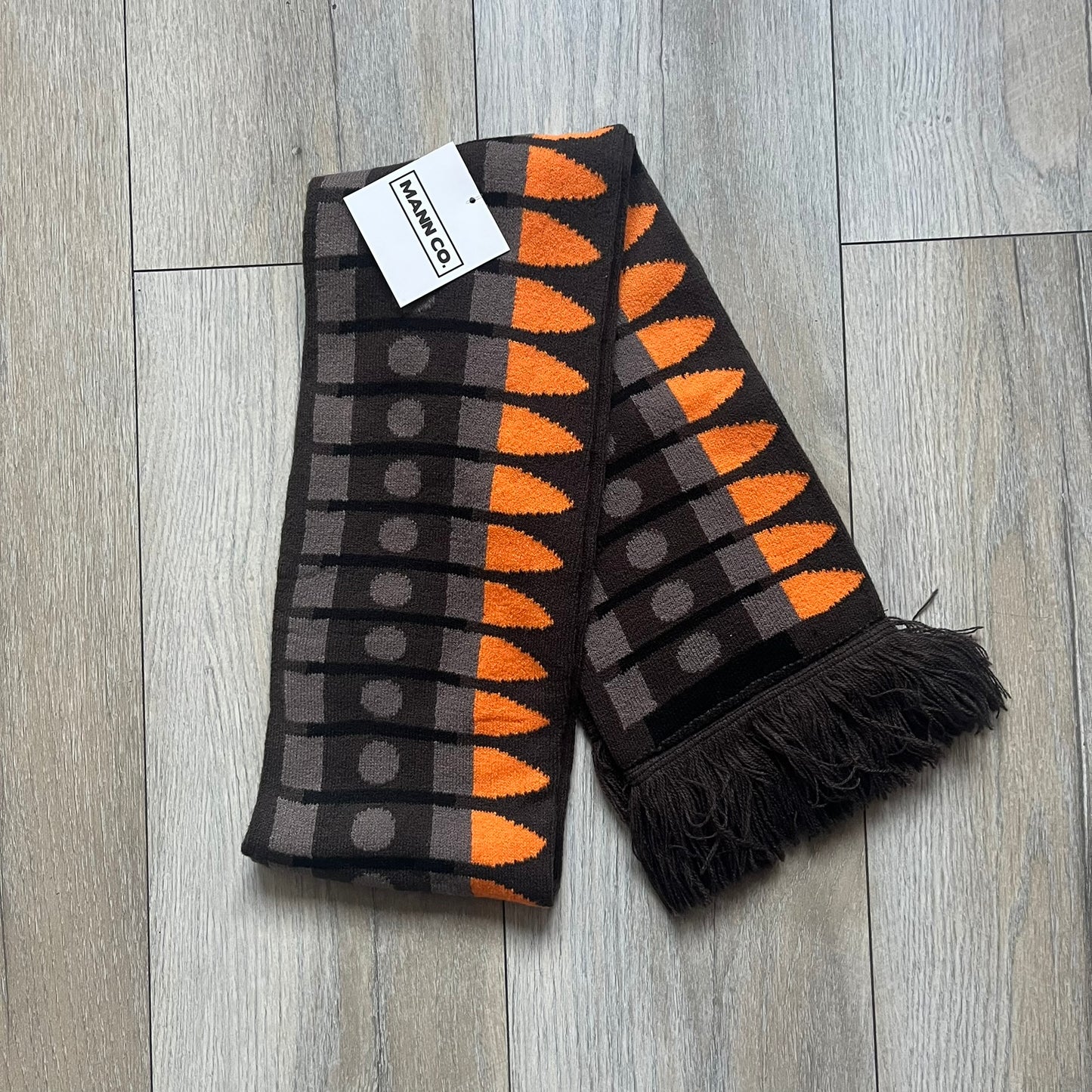
Released in 2014 by The Coop. This scarf is made from soft knit material and features a trompe-l’œil bullet bandolier graphic designed to replicate the ammunition belt worn by the Heavy character.
Why TF2 Merch Still Matters
TF2 merchandise remains relevant because it was never designed as disposable gaming merch. Each item documents a specific phase of the game’s evolution, making original pieces physical records of Valve’s creative peak. Today, these items sit at the intersection of gaming history, archive culture, and niche streetwear collecting.
Explore the Listings
