

Football Fashion In 2026: How The World Cup Became The Biggest Runway On Earth
The World Cup Is No Longer Just About Football
For decades, the FIFA World Cup was primarily a sporting event. Fans bought jerseys, scarves, and the occasional training jacket, but fashion largely remained separate from football culture. In 2026, that distinction has completely disappeared.
This year's tournament has become one of the biggest fashion moments of the decade. Luxury houses, independent designers, streetwear brands, artists, and football federations are all competing for attention alongside the players themselves. The result is a new era where a national team collection can generate as much discussion as a group-stage match.
The shift did not happen overnight. Football's rise within fashion has been building for years through terrace culture, vintage kit collecting, blokecore, athlete endorsements, and the increasing influence of footballers as global style icons. The 2026 World Cup simply accelerated a movement that was already underway.
For the first time, many fans are following the tournament not only for the football but also for the collections released around it.

The Collection Everyone Is Talking About: Nike x Slawn x Nigeria
No release better represents the current state of football fashion than Nike's collaboration with Nigerian-British artist Slawn.
Known for his raw, hand-painted visual style and growing influence within contemporary art, Slawn transformed Nigeria's football identity into something that feels equally at home in a gallery, on a football pitch, or on the streets of London. Rather than relying on traditional kit design, the collection features hand-drawn interpretations of the Super Eagles' iconic wings alongside lifestyle apparel, jackets, fleeces, and footwear.
Ironically, Nigeria did not qualify for the 2026 World Cup, yet the collection has arguably generated more attention than many kits belonging to nations actually competing in the tournament. That fact alone says everything about modern football fashion.
The success of the project reflects a broader reality: cultural influence now matters as much as sporting success. A strong visual identity can create global demand regardless of what happens on the pitch.
In many ways, the Slawn collection feels like a spiritual successor to Nike's legendary Nigeria 2018 jersey. Once again, Nigeria has become one of football fashion's most important reference points.

Mexico And Willy Chavarria Bring Luxury To The Tournament
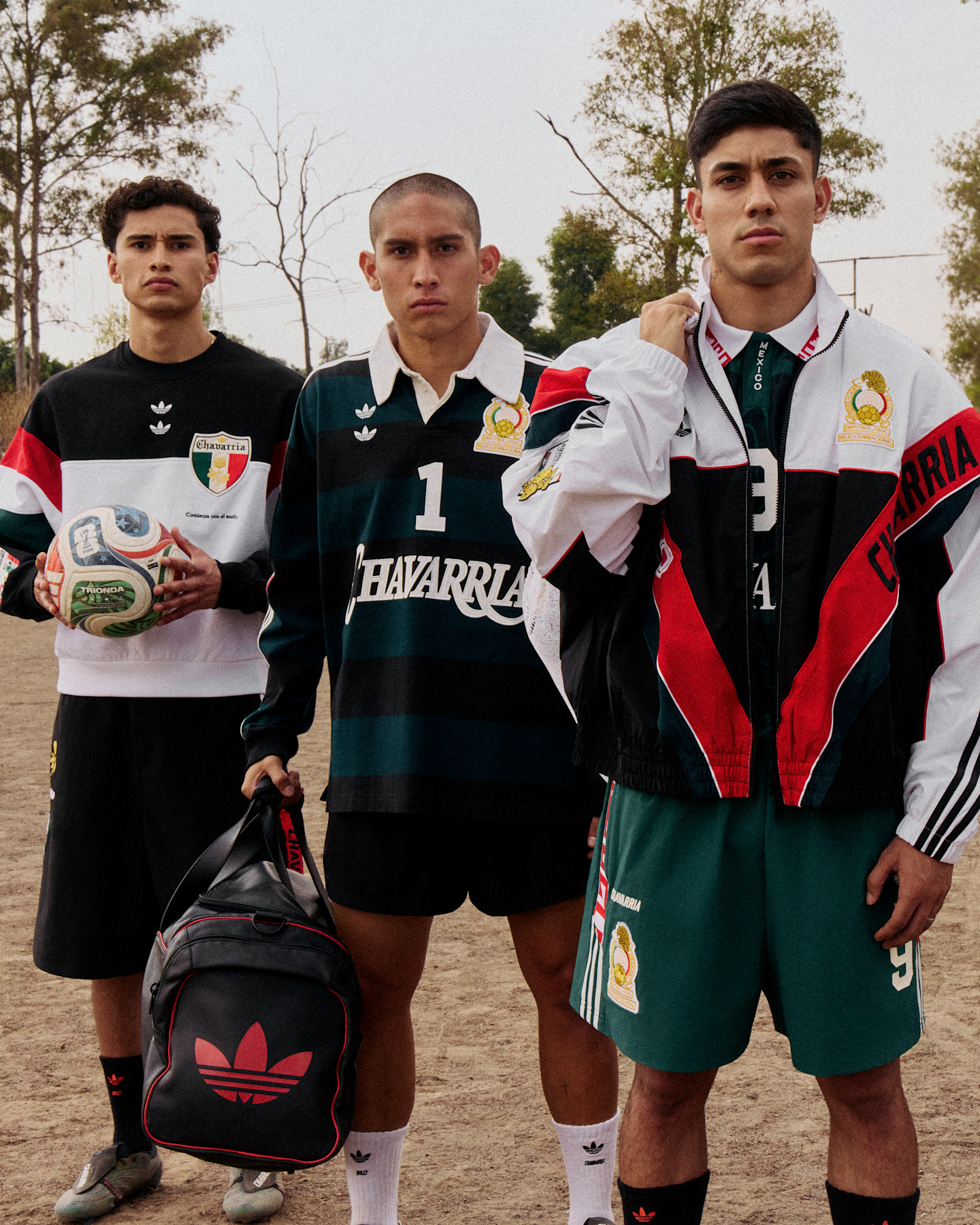
While Nike and Slawn focused on artistic expression, Adidas partnered with Willy Chavarria to create one of the most culturally significant football collections of the year.
The Mexican-American designer approached the project through identity, heritage, and community. Oversized silhouettes, elevated tailoring, and references to Mexican culture transformed what could have been standard fan apparel into a genuine fashion collection. The campaign, titled "Comienza con el Sueño," blurred the line between sportswear and luxury fashion.
The collaboration represents a larger trend throughout the World Cup. Football apparel is no longer designed exclusively for matchday. Brands now expect fans to wear these pieces as everyday clothing.
A Mexico jacket today is just as likely to be paired with wide-leg denim and designer sneakers as it is with football boots.
Palace, Corteiz, And The Streetwear Takeover
Perhaps the clearest sign of football's fashion transformation is the involvement of streetwear brands.
Palace Skateboards joined forces with Nike and England for a collection that merged classic football aesthetics with the irreverent attitude that made Palace one of the world's most influential skate brands. The result feels nostalgic yet contemporary, drawing heavily from late-1990s and early-2000s football culture.
Meanwhile, Corteiz launched its own World Cup-inspired project referencing multiple national teams. Much like the brand's previous releases, scarcity and cultural relevance created immediate demand. Rather than simply producing merchandise, Corteiz treated football as a global cultural language.
These collaborations demonstrate how football has become a creative canvas for brands that traditionally existed outside the sport.
Twenty years ago, football fashion was inspired by streetwear.
Today, streetwear is helping define football fashion itself.

France, Nike, And The Luxury Connection
Few countries embody football style quite like France.
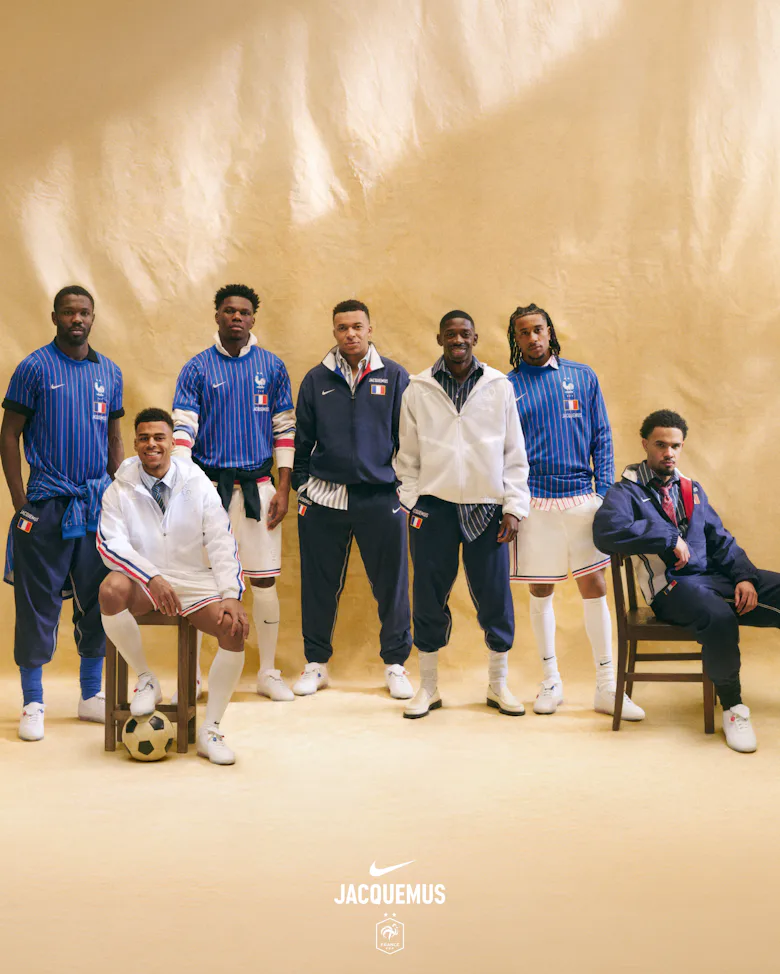
For the World Cup, Nike and Jacquemus collaborated on a collection that combines minimalist French design with football heritage. Rather than emphasizing aggressive performance aesthetics, the project focuses on refined silhouettes, understated branding, and elevated materials.
The collaboration highlights how football fashion now operates across multiple levels simultaneously. Some consumers want authentic match jerseys. Others want collectible fashion pieces connected to the sport. Modern brands increasingly cater to both audiences.
This approach would have seemed impossible during previous World Cups, when football merchandise and luxury fashion occupied completely different worlds.
The Rise Of Fashion-First National Team Kits
Beyond collaborations, the kits themselves have become increasingly fashion-oriented.
Many of the strongest 2026 designs draw heavily from cultural storytelling rather than purely sporting tradition. Germany's home shirt references historic World Cup victories. Mexico's kit incorporates national artistic influences. Japan's away design borrows from baseball aesthetics, while South Korea's kit references mountains and tiger symbolism.
The result is that modern football shirts are no longer viewed solely as sportswear. They have become wearable cultural artifacts.
Collectors purchase them as fashion pieces. Designers study them as sources of inspiration. Vintage enthusiasts archive them alongside streetwear and luxury garments.
For younger generations especially, the distinction between football shirt and fashion item barely exists.

Why Football Fashion Is Bigger Than Ever
The popularity of football fashion in 2026 comes from the intersection of several cultural movements.
Vintage football shirts have become highly collectible. Blokecore brought jerseys into mainstream fashion. Social media accelerated trend cycles. Footballers evolved into style icons. Luxury brands increasingly embraced sportswear. At the same time, younger consumers became less interested in traditional rules about how clothing should be worn.
A football shirt can now be styled with tailored trousers, luxury handbags, vintage denim, or technical outerwear. Fashion has become more democratic, and football apparel
benefits directly from that shift.
The World Cup sits at the center of this evolution because no other sporting event possesses the same combination of global reach, national identity, cultural storytelling, and emotional connection.

More Than Merchandise
What makes the 2026 World Cup different is that many of the most influential releases are not simply products.
They are cultural statements.
The Nike x Slawn collection celebrates contemporary African creativity. Willy Chavarria's Mexico partnership explores identity and heritage. Palace channels British football nostalgia. Corteiz reflects modern youth culture. Jacquemus introduces luxury minimalism into football spaces. Each project uses football as a platform to tell a larger story.
That is why football fashion feels so powerful today.
The jersey is no longer the final product.
It is merely the starting point.

Explore the Listings 🟢
Discover rare football collaborations pieces available now at unico13.
